
The Role of Luck in Gambling
Luck is a concept that has captivated players in gambling environments for centuries. At its core, luck is the unpredictable element that can significantly impact the outcome of various games. In casinos, where random chance often dictates success, the notion of luck becomes an integral part of the gambling experience. Many players believe that luck can change their fortune, leading to jackpot wins or crippling losses, and those who enjoy the thrill might also find excitement in online pokies australia real money as an alternative way to test their luck.
Statistically, the odds of winning in casino games are often outlined in their rules, showcasing the inherent advantage that the house holds. However, despite these odds, countless players attribute their wins to sheer luck rather than skill or strategy, reinforcing the idea that luck plays a pivotal role. For instance, hitting a progressive jackpot in slots is often seen as a stroke of good fortune, emphasizing that no amount of preparation can guarantee such an outcome.
The belief in luck often manifests in various rituals and superstitions among players. From lucky charms to specific routines prior to betting, these practices symbolize the human desire to influence chance. While it may not scientifically alter the odds, the psychological comfort derived from such beliefs can enhance the overall gaming experience, as players feel more in control of their fortunes, creating a profound blend of hope and excitement.
The Psychology Behind Luck and Gambling
The psychological aspects of luck in gambling are as compelling as the games themselves. Players often develop a strong emotional connection to their betting patterns, leading to behavior that suggests a belief in luck. This can be observed in situations where individuals continue to play despite losing streaks, convinced that their luck will soon change. This cognitive bias can lead to what is known as the gambler’s fallacy, where people believe that past events influence future outcomes in random games.
Moreover, the illusion of control is another critical psychological factor. Many players think they can influence the outcome of games through strategies or rituals, reinforcing the notion that luck can be swayed. This phenomenon can cause players to make irrational decisions, such as increasing their bets during losing streaks, driven by a belief that luck will favor them soon. Understanding this psychology is essential for anyone looking to navigate the complex world of casinos.

The casino environment itself plays a significant role in shaping perceptions of luck. Bright lights, sounds, and the thrill of winning create an atmosphere charged with excitement, making players more susceptible to the idea that luck is within reach. Coupled with the occasional big wins that create lasting memories, this environment fosters a strong belief in luck, encouraging players to return in hopes of replicating that success, which further fuels the cycle of gambling behavior.
Statistical Reality vs. Luck in Casinos
While luck is a popular notion in casinos, the statistical reality tells a different story. Every game offered is designed with a specific return to player (RTP) percentage, which clearly illustrates the odds of winning. For example, slot machines typically have an RTP between 85% and 98%, meaning that the house edge guarantees long-term profitability for the casino. This mathematical underpinning highlights that luck, while influential in the short term, ultimately yields to statistical probabilities.
In games like blackjack or poker, skill and strategy can further tilt the odds in a player’s favor. Knowledge of game mechanics, understanding probabilities, and employing solid strategies can significantly enhance a player’s success rate. Yet, no amount of skill can fully negate the element of luck inherent in the game, especially when considering the hidden variables that can alter outcomes unexpectedly, such as card combinations or dice rolls.
Thus, while luck undeniably plays a role in immediate outcomes, it is paramount to understand that in the long run, statistical probabilities govern casino games. Players who perceive their success as purely a product of luck may be less likely to recognize the value of developing strategic skills. This knowledge can empower players to make informed choices that could potentially increase their chances of winning, even in the face of randomness.
Myths and Misconceptions about Luck in Casinos
Myths about luck in casinos abound, often leading players to adopt practices that may not improve their chances of winning. For example, many believe that certain machines are “due” for a payout after a losing streak, which reflects a fundamental misunderstanding of how random number generators work. Each spin of a slot machine is an independent event, and past results have no bearing on future outcomes. Such misconceptions can mislead players, driving them to invest time and money into misguided strategies.
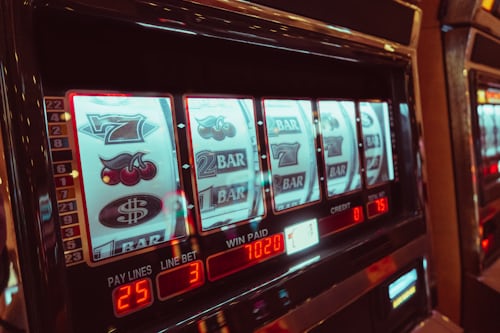
Additionally, the concept of “hot” and “cold” games contributes to the misunderstanding of luck in casinos. Players often perceive some tables or machines to be more favorable based on recent wins or losses. However, this perception is influenced by cognitive biases that ignore the underlying statistical reality. While it can feel like a machine has a pattern based on recent history, the true random nature of these games means that luck is not a consistent factor in determining success.
These myths can perpetuate unhealthy gambling behaviors, as players may spend more money chasing the illusion of luck rather than recognizing the importance of responsible gambling. Understanding the myths surrounding luck can help players approach their gaming experience more rationally, ensuring they remain focused on enjoying the process rather than solely fixating on the outcomes.
Helpful Resources for Aspiring Gamblers
For those looking to deepen their understanding of luck and success in casinos, numerous resources are available. Books written by experts in gambling strategy provide insights into the psychology of players and the mathematical principles underpinning games. These resources can help aspiring gamblers develop a balanced approach, combining both luck and skill in their gaming endeavors.
Online forums and communities also serve as excellent platforms for sharing experiences and strategies. Engaging with seasoned players can offer valuable perspectives on how to navigate the unpredictable nature of gambling. Such interactions can contribute to better decision-making and foster a healthy understanding of the role luck plays versus skill in achieving success.
Moreover, many casinos provide educational materials and workshops for new players, aiming to enhance their knowledge of games and strategies. By taking advantage of these resources, individuals can equip themselves with the necessary tools to approach gambling with a more informed mindset, embracing both the thrill of luck and the benefit of strategic play.